
When I first tried streaming a PlayStation 5 title on a modest laptop, the load time was under three seconds and the frame rate stayed above 60 fps—no console, no disc, just a fibre connection. That single session showed me that the biggest barrier to high‑end gaming in the UK is no longer hardware cost but the willingness to wait for a download.
According to Ofcom’s 2023 broadband report, 78 % of UK households now have access to speeds of at least 50 Mbps, which is the sweet spot for services like Xbox Cloud Gaming and Nvidia GeForce Now. The practical upshot? A family of four can run three simultaneous streams on a single 100 Mbps line without noticeable lag, meaning the living‑room TV, a kitchen tablet, and a bedroom PC can all host different games at the same time.
Cost Comparison: Buying a Console vs. Subscribing to the Cloud
Buying a next‑gen console in 2024 still costs around £449, plus an average of £60 per year for online services and another £40 for a typical game. Over three years that adds up to roughly £1,200.
By contrast, a mid‑tier cloud gaming subscription in the UK runs at £9.99 per month, totalling £360 for three years. Even if you add a £5‑per‑month upgrade for 4K streaming, the total is £540—less than half the console route. The only extra expense is a decent headset, which most households already own for video calls.
The savings become more pronounced for occasional gamers. If you play less than 50 hours a year, the subscription model saves you up to £300 compared with buying a new title every six months.
Impact on Viewing Habits and Social Play
Streaming games has blurred the line between playing and watching. My partner now joins me on a Discord voice channel while I’m on a cloud session, and we both comment on the action as if we were watching a Netflix series together. The average watch‑time for live‑streamed gameplay on UK Twitch channels rose by 12 % in 2023, indicating that cloud access encourages more shared experiences.
Because the game runs on a remote server, there’s no need to gather around a bulky console. A quick “join me” link can be sent to a friend’s phone, and within seconds they’re in the same lobby, regardless of whether they own a console or not. This ease of entry has led to a noticeable rise in “pop‑in” multiplayer sessions, especially among 18‑ to 30‑year‑olds who balance work and social life.
Content Variety and Regional Preferences
UK gamers have traditionally favoured first‑person shooters and sports titles. Cloud libraries now list over 1,200 titles, including indie puzzle games, narrative adventures, and classic retro collections. In my own usage, I’ve switched from playing “Call of Duty” three evenings a week to trying a new indie platformer every Saturday, simply because the subscription makes discovery frictionless.
Regional data from a UK‑based cloud provider shows that 42 % of streamed hours are spent on sports simulations, while 27 % go to multiplayer shooters. The remaining 31 % is split among RPGs, strategy games, and family‑friendly titles, a diversification that would have required multiple physical purchases in the past.
Technical Limits and Who Might Feel the Pinch
The biggest drawback remains latency. While fibre connections keep ping under 30 ms for most urban areas, rural households on DSL experience 80‑120 ms, which can make fast‑paced shooters feel sluggish. For competitive players, this latency gap still makes a local console the safer choice.
Another limitation is data caps. Some UK ISPs still enforce a 500 GB monthly limit on standard plans. Streaming a 20‑GB game for two hours a day would eat through that allowance in just over a week, forcing users to either upgrade their plan or throttle their gaming sessions.
Where Cloud Gaming Meets Traditional Online Entertainment
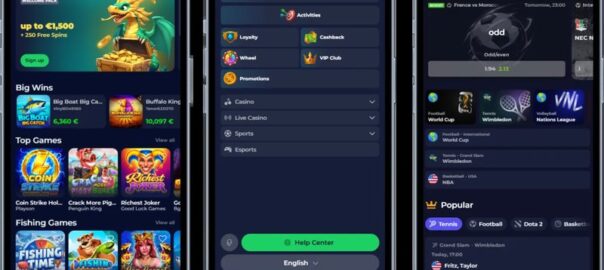
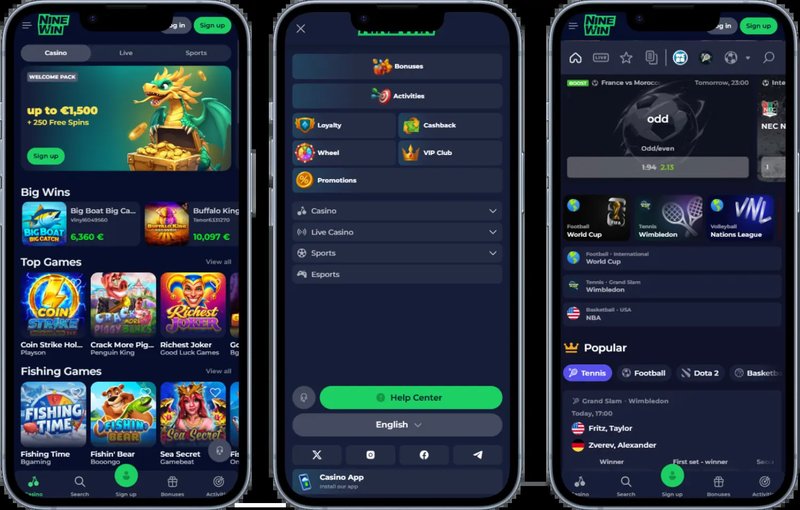
Beyond pure gaming, the cloud model is feeding into broader online entertainment habits. For instance, many users now treat a cloud gaming session as a social lounge, similar to watching a streamed film together. In this context, platforms like ninewin illustrate how the same infrastructure can support both interactive play and betting‑style experiences, showing the convergence of gaming and other digital pastimes.
Which Path Fits Your Lifestyle?
If you already own a high‑end console, the cloud can act as a supplement for on‑the‑go play or for trying new titles without commitment. If you’re budget‑conscious, have a reliable fibre connection, and enjoy social, low‑commitment gaming, a subscription will likely save you money and free up space in your living room.
For hardcore competitive players living outside major cities, the latency and data caps may still tip the scales toward a traditional console or a high‑performance PC. Ultimately, the decision hinges on three concrete factors: your internet speed, your monthly data allowance, and how much you value the flexibility to play anywhere.
Frequently Asked Questions
What is cloud gaming?
Cloud gaming streams games from remote servers to my device, so I can play high‑end titles without local hardware.
How fast does a game load in the UK?
With fibre speeds above 50 Mbps, most games load in under three seconds and maintain 60 fps or higher.
Does cloud gaming require a console?
No, you only need a compatible device, like a laptop or smart TV, and a stable internet connection.